Mastering the Haunted 3d Text Effect Design for Professional Typography
In the evolving landscape of digital graphic design, typography has transcended its traditional role as a mere vessel for information. It has become a central visual element capable of conveying mood, atmosphere, and narrative depth. Among the myriad of stylistic approaches available to modern creators, the Haunted 3d Text Effect Design stands out as a powerful tool for evoking mystery, suspense, and dramatic flair. This specific aesthetic is not limited to seasonal Halloween projects; it serves as a versatile foundation for any design requiring a sense of depth, eeriness, or supernatural intrigue. By leveraging editable templates and understanding the underlying principles of three-dimensional text manipulation, designers can create compelling visuals that capture attention and communicate complex emotional tones.
The Psychological Impact of Eerie Typography
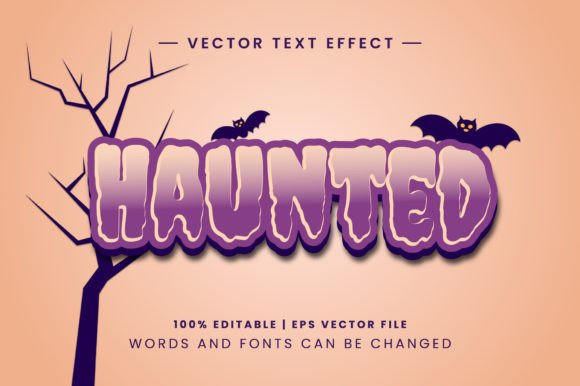
Typography is inherently psychological. The shape, weight, and dimensionality of letters influence how a reader perceives the message before they even process the semantic content. A Haunted 3d Text Effect Design utilizes shadow, perspective, and texture to create a sense of unease or fascination. This is achieved through the strategic use of deep shadows, irregular extrusions, and often, a distressed or aged texture overlay. When viewers encounter such text, their brains are primed for a narrative that involves the unknown or the supernatural. This makes the style particularly effective for horror-themed media, thriller book covers, immersive gaming interfaces, and marketing campaigns for escape rooms or haunted attractions.
However, the application extends beyond obvious horror genres. In high-end fashion or avant-garde art exhibitions, a subtle interpretation of this effect can convey sophistication mixed with danger. The key lies in the control of the 3D parameters. A heavy, jagged extrusion suggests violence or chaos, while a smooth, elongated shadow might suggest elegance with a dark undertone. Understanding these nuances allows professionals to tailor the Haunted Editable 3d Text Effect Template Design to fit a wide spectrum of creative briefs, ensuring that the visual language aligns perfectly with the intended brand identity or artistic vision.
Technical Advantages of Editable Vector Templates
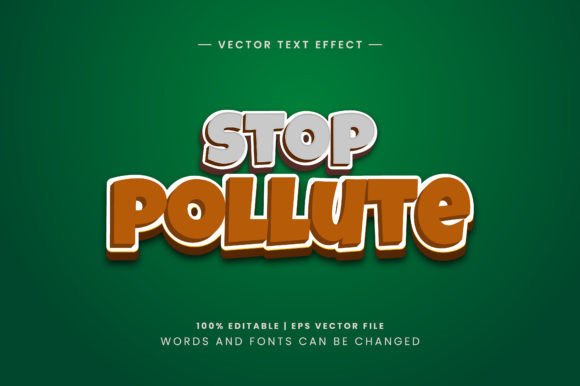
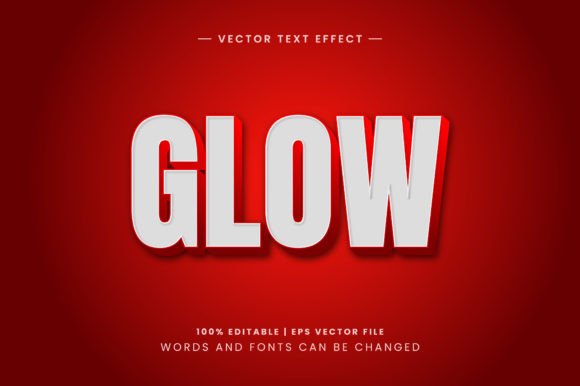
For professional designers, time efficiency and flexibility are paramount. Working from scratch to create complex 3D effects can be labor-intensive, requiring advanced knowledge of lighting, perspective grids, and layer management. This is where a fully editable template becomes an invaluable resource. A high-quality Haunted 3d Text Effect Design template typically comes in EPS (Encapsulated PostScript) format, which is the industry standard for vector graphics. Unlike raster images, vector files allow for infinite scalability without loss of quality. This means the same design can be used for a small social media icon or a massive billboard print without pixelation or blurring.
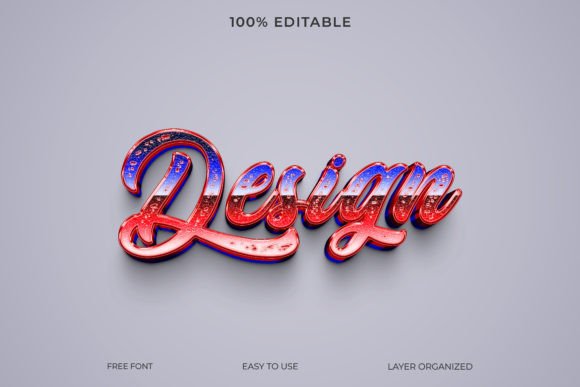
The term "fully editable" is crucial here. It implies that the text layers are not flattened into a static image. Instead, the typography remains live and modifiable. Designers can change the wording, adjust the font size, or swap the typeface entirely while retaining the intricate 3D effects. This interoperability is essential for collaborative workflows where multiple stakeholders may need to review and revise copy. Furthermore, the use of free fonts in these templates ensures accessibility. Creators do not need to purchase expensive proprietary licenses to utilize the design, removing barriers to entry for students, hobbyists, and independent contractors. The ability to apply the effect to any font or shape expands the creative possibilities exponentially, allowing for custom logos, unique headings, and bespoke graphical elements.
Workflow Integration and Ease of Use
Integrating a Haunted Editable 3d Text Effect Template Design into a existing workflow should be seamless. The primary advantage of well-structured templates is their simplicity. Even designers with intermediate skills can achieve professional-grade results by following a straightforward process. Typically, this involves opening the EPS file in compatible software such as Adobe Illustrator, CorelDRAW, or Affinity Designer. Once opened, the user selects the text layer, types their desired content, and the vector paths automatically update to reflect the new characters while maintaining the pre-configured 3D extrusions and shadows.
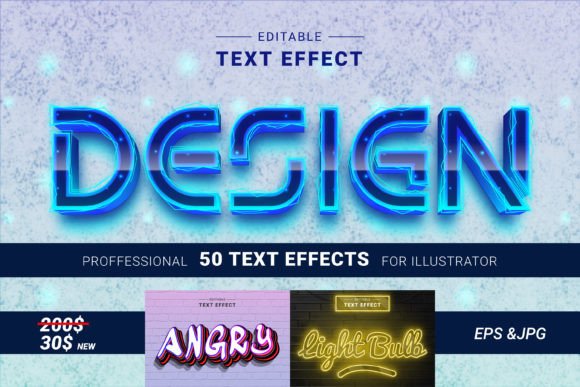
This ease of use does not compromise creative control. On the contrary, it provides a stable foundation upon which designers can build. For instance, one might keep the core 3D structure but alter the color palette to match a specific brand guide. Alternatively, the texture overlays can be adjusted to simulate different materials, such as rusted metal, cracked stone, or slimy organic matter. The modular nature of these templates encourages experimentation. Designers can duplicate the effect, apply it to different shapes, and combine them to create complex compositions. This flexibility is particularly beneficial for agencies handling multiple clients with diverse aesthetic requirements, as it allows for rapid prototyping and iteration.
Diverse Applications Across Industries
The versatility of the Haunted 3d Text Effect Design is evident in its broad range of applications. While the most immediate association is with entertainment and events, the utility of this style reaches into education, marketing, and digital media. Consider the publishing industry. A thriller novel cover requires typography that promises excitement and danger. A 3D haunted effect can make the title pop off the page, creating a tactile sensation that draws the potential reader in. Similarly, in the gaming industry, user interface elements often benefit from thematic consistency. A game menu featuring 3D text that matches the eerie atmosphere of the gameplay enhances immersion and user engagement.
In the realm of digital marketing, standing out in a crowded feed is challenging. Social media posts, YouTube thumbnails, and website banners that utilize striking 3D typography tend to have higher click-through rates. The depth and contrast provided by the haunted effect create visual hierarchy, guiding the viewer’s eye to the most important information. Educators and researchers creating presentations on literature, history, or psychology can also leverage this style to make their materials more engaging. For example, a lecture on Gothic literature could feature slide headers with a subtle haunted 3D effect, reinforcing the subject matter visually without overwhelming the educational content.
Customization and Creative Freedom
One of the most significant benefits of using a template based on free fonts and editable vectors is the freedom it affords. Designers are not locked into a single aesthetic. The Haunted Editable 3d Text Effect Template Design serves as a starting point, not a final destination. Users can manipulate the anchor points of the vector paths to distort the letters, creating a melting or warping effect that enhances the supernatural vibe. They can also experiment with blending modes and opacity settings to integrate the text more naturally into background images or textures.
Moreover, the compatibility with any font or shape means that the effect can be adapted to corporate branding if done subtly. A company with a bold, modern logo might use a toned-down version of the 3D effect for a special promotional campaign, adding depth and interest without compromising brand recognition. The ability to edit every aspect of the design ensures that the final output is unique and tailored to the specific needs of the project. This level of customization is what separates professional-grade templates from basic clip art, providing value that extends far beyond the initial download.
Troubleshooting and Support Considerations
While these templates are designed to be user-friendly, technical issues can occasionally arise. Differences in software versions, missing font links, or color profile mismatches can sometimes affect the appearance of the final design. It is essential for users to ensure they are using compatible software that supports EPS files and advanced vector editing features. If difficulties occur during the opening or downloading process, reaching out to the creator for support is a recommended step. Most reputable designers provide assistance to ensure customer satisfaction and proper usage of their products.
Feedback plays a crucial role in the continuous improvement of these design resources. Users who take the time to provide constructive feedback help creators understand common pain points and desired features. This collaborative dynamic leads to better templates, more intuitive workflows, and a richer ecosystem of design tools. Whether you are a seasoned professional or a novice enthusiast, engaging with the design community and sharing your experiences can enhance your own skills and contribute to the broader knowledge base.
In conclusion, the Haunted 3d Text Effect Design is more than just a stylistic choice; it is a functional asset in the designer’s toolkit. By combining psychological impact with technical efficiency, these editable templates empower creators to produce high-quality, impactful visuals with ease. Whether for commercial projects, personal art, or educational materials, the ability to customize and scale these effects ensures their relevance across various contexts. As digital design continues to evolve, the demand for versatile, high-impact typography solutions will only grow, making mastery of these tools an essential skill for any serious creator.