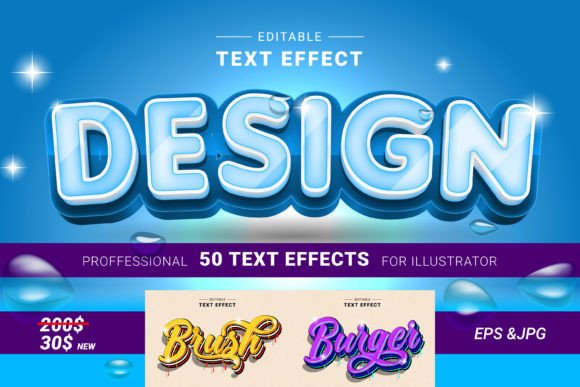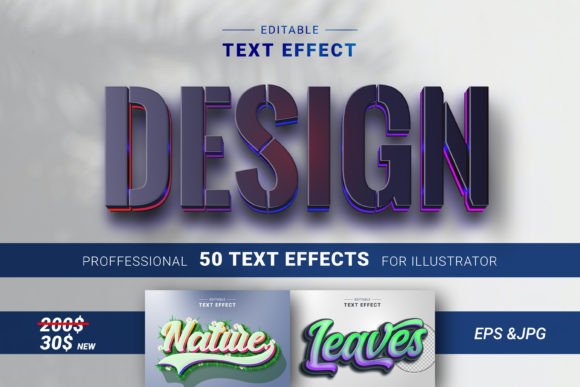
Mastering Visual Impact with 50 Editable 3D Text Effects Design N20
In the fast-paced world of digital design, first impressions are often formed within milliseconds. Whether you are crafting a social media post for Instagram, designing a flyer for a local event, or building a header for a corporate website, typography plays a pivotal role in capturing attention. This is where the 50 Editable 3D Text Effects Design N20 comes into play. It is not merely a collection of graphics; it is a strategic toolkit designed to elevate your visual communication without requiring hours of manual rendering in Adobe Illustrator.
For many creators, from seasoned professionals to enthusiastic beginners, the allure of three-dimensional text is undeniable. It adds depth, realism, and a tactile quality that flat design sometimes lacks. However, navigating the vast sea of digital assets can be tricky. Many users stumble not because the tools are inadequate, but because they misunderstand how to integrate them effectively into their workflow. Understanding the nuances of this specific design pack can save you time, prevent frustration, and ensure your final output looks professional rather than amateurish.
Understanding the Core Value Beyond the Aesthetic
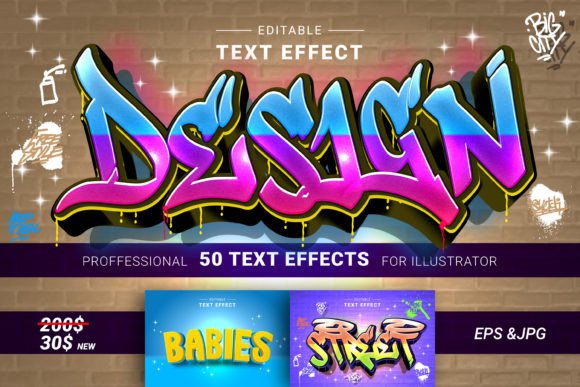
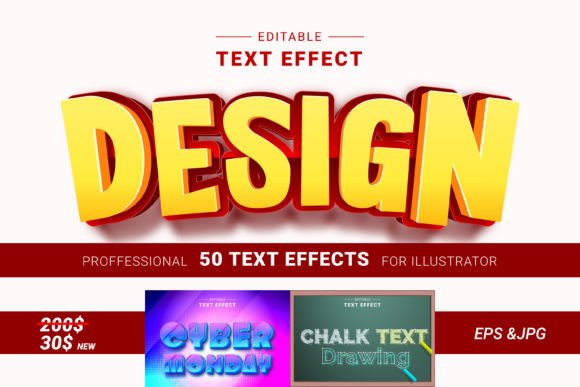
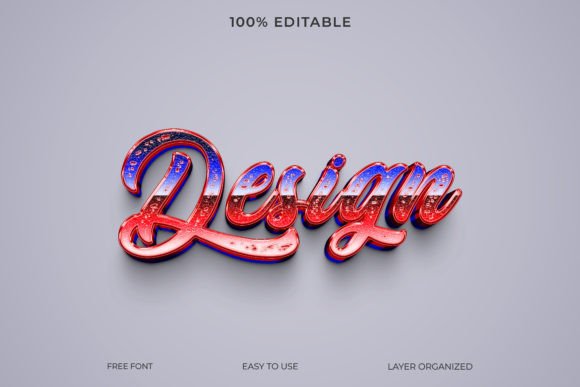
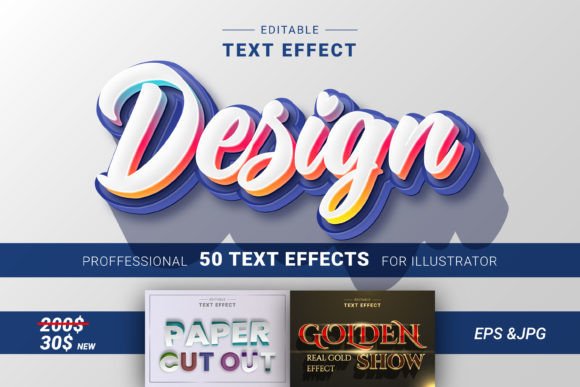
At its heart, the 50 Editable 3D Text Effects Design N20 is a time-saving treasure. It comprises 50 distinct styles provided in EPS, JPG, and AI formats, specifically optimized for Adobe Illustrator. The primary benefit here is not just the visual appeal, but the editability. A common misconception among novice designers is that pre-made effects are rigid templates that limit creativity. In reality, this pack is built on the principle of customization. Each element is fully editable, allowing you to tailor the text, colors, and dimensions to fit your specific brand identity or project requirements.
When you overlook the editable nature of these files, you miss out on the true value proposition. Instead of treating them as static images to be slapped onto a background, view them as foundational layers. This shift in perspective allows you to maintain consistency across different platforms. For instance, you can adjust the vibrant RGB hues to match your company’s color palette precisely, ensuring that your Twitter promotions align seamlessly with your Facebook ads and printed magazines.
Common Pitfalls in Using 3D Text Assets
Even with high-quality resources like the 50 Editable 3D Text Effects Design N20, mistakes happen. Being aware of these common pitfalls can significantly improve your design outcomes.
Ignoring Color Mode Constraints
One of the most frequent errors involves color management. This graphic set works in RGB color mode, which is ideal for digital screens such as monitors, smartphones, and tablets. However, a significant mistake occurs when designers attempt to use these RGB files for traditional print publications like flyers, posters, or event papers without converting them properly. RGB colors often appear duller or shifted when printed using CMYK processes.
The Fix: Always check your final output medium. If you are designing for web and social media, the RGB mode is perfect and will ensure your hues remain vibrant. If you are moving toward print, use Adobe Illustrator to convert your document color mode to CMYK early in the process. This allows you to adjust the saturation and brightness manually to compensate for the printing limitations, ensuring your 3D text pops off the page just as it does on the screen.
Overlooking Typography Hierarchy
Another common oversight is letting the 3D effect overpower the message. Because these effects are visually striking, there is a temptation to use them for every piece of text in a design. This leads to visual clutter and reduces readability. When everything is bold and three-dimensional, nothing stands out.
The Fix: Use the 3D effects strategically. Reserve them for headlines, key calls-to-action, or short promotional phrases. Keep supporting text flat and simple. This contrast creates a clear visual hierarchy, guiding the viewer’s eye to the most important information first. For example, on an Instagram promotion, use a 3D effect for the main offer ("50% OFF") while keeping the details (dates, terms) in a clean, 2D font.
Neglecting File Format Optimization
The pack includes EPS, JPG, and AI files. A mistake many users make is defaulting to JPGs for all edits. While JPGs are easy to view, they are raster images and lose quality when scaled up. Editing a JPG directly in Illustrator limits your ability to manipulate individual vectors.
The Fix: Always start with the AI or EPS files if you are working in Adobe Illustrator. These vector-based formats allow you to scale the text to any size without pixelation. You can edit the anchor points, change fonts, and adjust lighting effects non-destructively. Only export to JPG once your design is finalized and ready for web upload.
Maximizing Efficiency with the Included Resources
A valuable yet often ignored component of the 50 Editable 3D Text Effects Design N20 is the included help file. Many users skip this step, assuming they can figure it out through trial and error. This approach wastes time and can lead to suboptimal results. The help file provides specific guidance on how to ungroup elements, edit text paths, and manage layers within Illustrator.
Taking five minutes to review the documentation can save hours of troubleshooting. It clarifies how to replace placeholder text with your own content efficiently—often as easy as "A, B, C" with just one click. This user-friendly feature is designed to lower the barrier to entry, making professional-grade 3D typography accessible even to those who are not expert illustrators.
What to Check Before You Begin
Before diving into your next project, consider these practical checks to ensure smooth sailing:
- Software Compatibility: Ensure you have Adobe Illustrator installed. While the JPGs can be viewed anywhere, the editable features require Illustrator.
- Project Scope: Determine if your project is digital-only or print-bound. This dictates your color mode strategy from the start.
- Brand Guidelines: Have your hex codes or color profiles ready. Since the elements are customizable, you can quickly apply your brand colors to the 3D effects for instant brand recognition.
- Resolution Needs: For large format prints like posters, ensure you are working with the vector AI/EPS files to maintain crisp edges at large sizes.
Enhancing Your Creative Workflow
Integrating the 50 Editable 3D Text Effects Design N20 into your workflow is about more than just aesthetics; it is about efficiency and consistency. By avoiding the common mistakes of color mismanagement, typographic overcrowding, and format misuse, you can leverage this toolkit to produce high-quality designs rapidly.
Whether you are a freelancer looking to deliver polished work to clients faster, a small business owner creating your own marketing materials, or a hobbyist exploring graphic design, this pack offers a robust foundation. It removes the technical heavy lifting of creating 3D extrusions and lighting from scratch, allowing you to focus on the creative message.
Remember, the goal of using such tools is to enhance communication, not just to decorate. When used correctly, these 3D effects can transform a mundane announcement into a captivating visual story. If you ever encounter queries or need clarification on specific editing techniques, do not hesitate to reach out to the support team. Their guidance can further refine your skills, ensuring that your creativity truly knows no bounds.
Ultimately, the 50 Editable 3D Text Effects Design N20 is a versatile asset in your digital arsenal. By approaching it with a clear understanding of its capabilities and limitations, you can elevate your design game, save valuable time, and create visuals that resonate with your audience across all platforms.