Unlocking the Potential of 50 Editable 3D Text Effects Design N16 for Professional Graphics
In the fast-paced world of digital design, standing out is no longer just an advantage; it is a necessity. Whether you are crafting a social media headline for Instagram or designing a large-format poster for an upcoming event, typography plays a pivotal role in capturing attention. This is where the 50 Editable 3D Text Effects Design N16 comes into play. Specifically engineered for Adobe Illustrator, this collection offers a robust solution for designers who want to elevate their visual communication without starting from scratch. However, simply downloading a pack of assets is not enough. To truly benefit from these resources, one must understand how to integrate them effectively into a workflow, avoiding common pitfalls that can hinder creativity and efficiency.
Understanding the Core Value Beyond Aesthetics
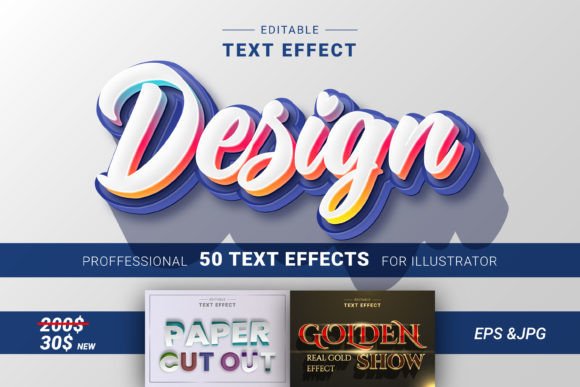
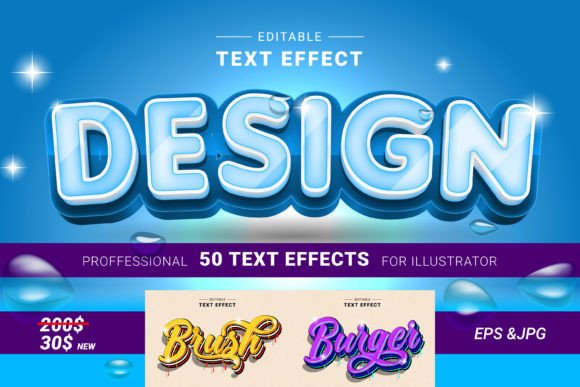
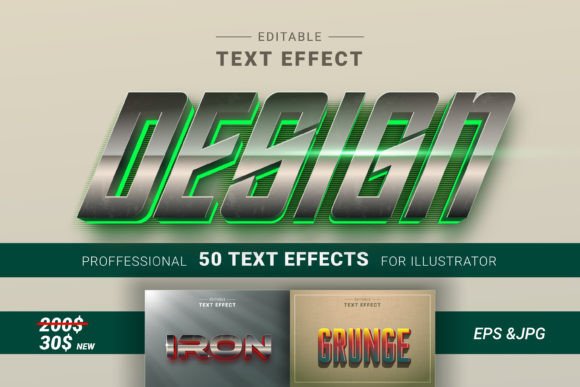
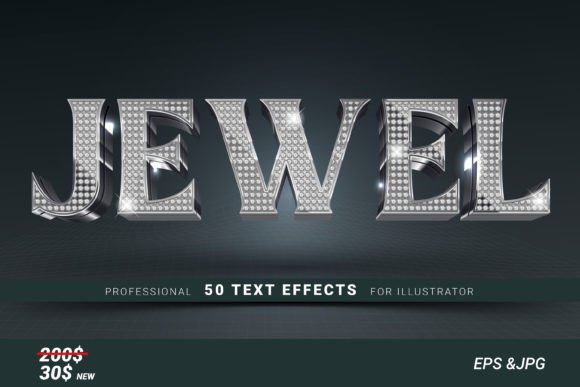
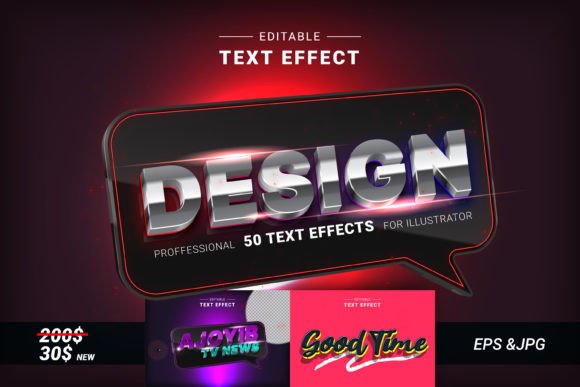
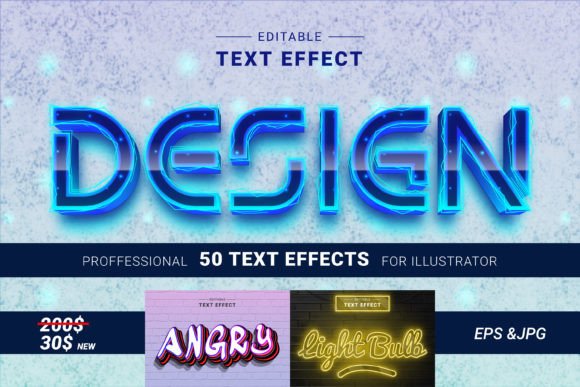
Many creators make the mistake of viewing pre-made text effects as mere shortcuts, assuming they limit originality. In reality, tools like the 50 Editable 3D Text Effects Design N16 are designed to serve as a foundation. The collection includes 50 EPS and JPG files, all rendered in stunning RGB color mode. This format ensures that the vibrancy of the designs translates well across digital platforms such as Twitter, Facebook, and various web interfaces. The true value lies in the editability. Each element is meticulously crafted to be fully customizable, allowing you to infuse your unique text and witness it transform into a 3D marvel with minimal effort. Recognizing this flexibility is the first step toward using the asset pack correctly.
Common Missteps in File Management and Compatibility
One of the most frequent errors users encounter involves file compatibility and organization. Upon purchasing or downloading the set, you will find a main folder containing Ai files, Eps files, Jpeg files, and a comprehensive help file. Beginners often overlook the help file, jumping straight into the graphics. This can lead to confusion regarding layer structures and editing capabilities. Another common issue is attempting to edit EPS files in software that does not fully support vector manipulation. While JPGs are useful for quick previews or static uses, they lack the scalability and editability of the vector formats.
To avoid these issues, always start by reviewing the included documentation. Ensure you are working within Adobe Illustrator or a compatible vector-based program that can handle complex 3D effects. Keep your workspace organized by separating source files from exported images. This practice not only saves time but also prevents accidental overwrites of the original templates, preserving the integrity of the 50 Editable 3D Text Effects Design N16 for future projects.
The Trap of Ignoring Color Modes and Output Requirements
A critical technical detail that is often overlooked is the color mode. This specific design set is provided in RGB color mode. While this is ideal for screen-based media—such as web banners, social media posts, and digital advertisements—it can cause significant problems if used for print without proper conversion. Designers who inadvertently use these RGB files for flyers, magazines, or event papers may find that the colors appear dull or shifted when printed, as printing presses typically utilize CMYK color profiles.
Practical Advice: Before finalizing any print project, convert your document to CMYK and adjust the colors manually to ensure accuracy. Use the JPG files for quick digital mockups, but rely on the editable Ai or Eps files for high-quality output. Always check with your printer’s specifications regarding color profiles and resolution to maintain the vibrancy and professionalism of your publication promotions.
Overlooking Customization and Brand Consistency
Another prevalent mistake is using the 3D effects "as-is" without adapting them to fit a specific brand identity. The allure of the 50 Editable 3D Text Effects Design N16 is its versatility, but applying a neon-style effect to a corporate financial report, for example, would be a tonal mismatch. Some users fail to adjust lighting, shadows, or perspective to match the rest of their design composition, resulting in visuals that look disjointed or amateurish.
To create cohesive designs, treat these effects as components rather than finished products. Adjust the hues to align with your brand palette. Modify the depth and angle of the 3D extrusion to complement other elements on the page. For instance, if you are designing a flyer for a music event, you might enhance the saturation and contrast. Conversely, for a magazine header, you might soften the shadows for a more sophisticated look. This level of customization ensures that the text effects enhance your message rather than distracting from it.
Efficiency vs. Quality: Finding the Balance
While the promise of transforming text in a "single click" is appealing, relying solely on automation can lead to generic results. Experienced designers know that the initial automated effect is just a starting point. Neglecting to refine anchor points, clean up unnecessary layers, or optimize file size can result in sluggish performance in Illustrator and bloated file sizes for web use.
Adopt a workflow that balances speed with precision. Use the preset effects to generate the base structure, then spend time refining the details. Delete hidden layers and unused symbols to keep your Ai files lean. This approach not only improves software performance but also makes it easier to collaborate with other team members who may need to edit the file later. By treating the 50 Editable 3D Text Effects Design N16 as a flexible toolkit rather than a rigid template, you maximize both efficiency and creative quality.
Making an Informed Decision Before Implementation
Before integrating these assets into your professional kit, consider your specific needs. Are you primarily working on digital campaigns, or do you frequently produce print materials? Do you have the necessary software skills to manipulate vector files effectively? Evaluating these factors helps determine how best to utilize the package. For beginners, the learning curve might seem steep, but the included help file and the non-destructive nature of the effects provide a safe environment for experimentation.
Ultimately, the goal is to enhance your design capabilities, not replace them. By avoiding common technical errors, respecting color modes, and committing to thoughtful customization, you can leverage the 50 Editable 3D Text Effects Design N16 to produce standout visuals. Whether you are a freelancer looking to speed up client deliverables or a marketer aiming to boost engagement on social media, this resource offers a powerful way to add depth and dimension to your work. Approach it with intention, and it will become an invaluable part of your creative process.