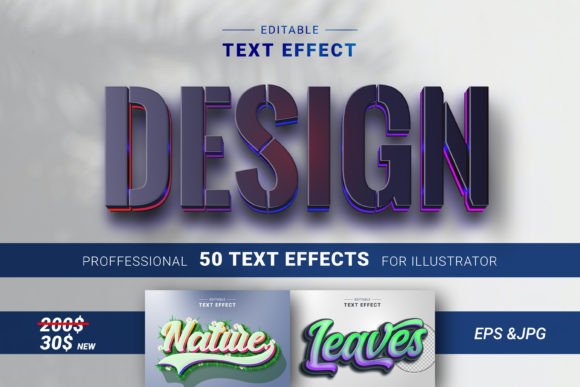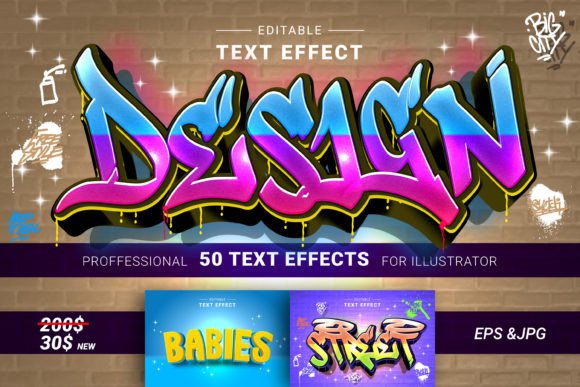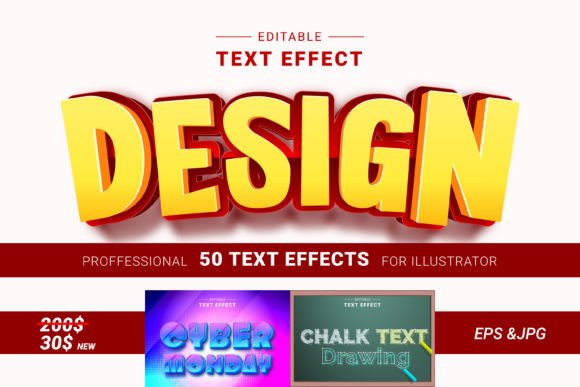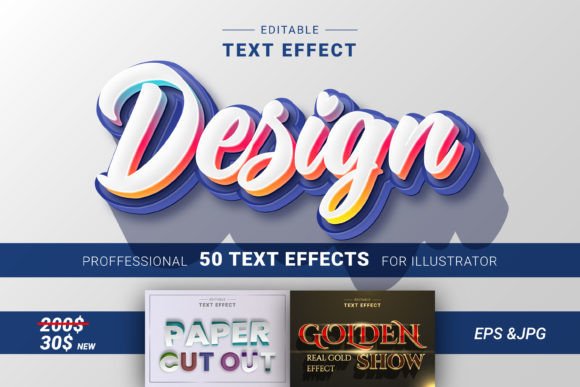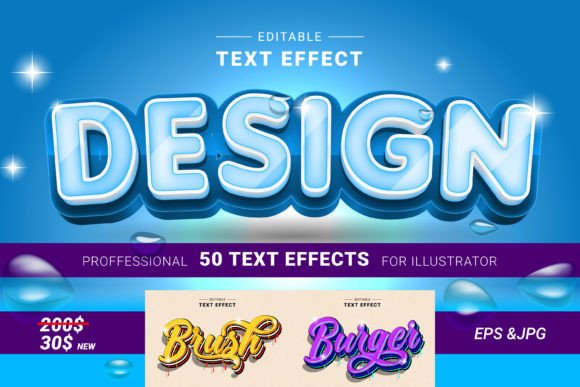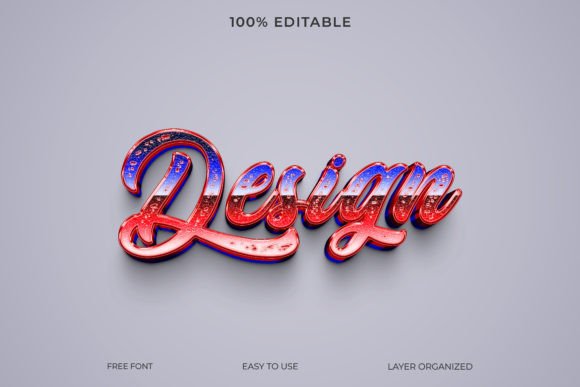
Mastering Visual Impact with Design PSD 3D Text Style Effects
In the rapidly evolving landscape of digital design, the difference between content that captures attention and content that gets scrolled past often comes down to visual depth. Flat design has had its moment, but there is a undeniable resurgence in typography that pops off the screen. This is where the Design PSD 3D Text Style Effect becomes an indispensable tool for modern creators. Whether you are a seasoned graphic designer, a marketing professional managing tight deadlines, or an entrepreneur building a brand identity from scratch, the ability to produce high-quality, three-dimensional text without spending hours on complex rendering is no longer a luxury—it is a necessity.
The demand for polished, professional visuals has never been higher. Social media algorithms favor high-engagement imagery, e-commerce stores require crisp product mockups, and corporate presentations need to convey authority through clean aesthetics. However, the traditional workflow for creating 3D text involves steep learning curves, expensive software suites, and significant time investment. This gap between the desire for quality and the availability of time has given rise to a new standard in design resources: editable, smart-object-based Photoshop templates.
The Shift Toward Efficient, High-Quality Design Workflows
Modern creative workflows are defined by speed and adaptability. The era of spending days perfecting a single lighting effect is largely reserved for high-end cinematic productions. For the vast majority of commercial and personal projects, the goal is to achieve a "good enough" or even "excellent" result in a fraction of the time. This shift has changed how professionals approach asset creation. Instead of building every element from scratch, savvy designers and marketers are leveraging pre-built, high-quality structures that allow them to focus on customization rather than construction.
This is precisely why the Editable PSD text effect has gained such traction. It represents a democratization of high-end design techniques. By utilizing Smart Object Replacement, these files abstract away the technical complexities of 3D modeling, lighting, and shadow casting. The user does not need to understand ray tracing or polygon mesh manipulation. They simply need to know how to type. This accessibility means that a small business owner can create a billboard-quality headline, or a social media manager can produce a series of cohesive, dimensional posts without hiring an external agency.
Furthermore, the consistency offered by these templates ensures brand integrity. When multiple team members are creating content, using a standardized Design PSD 3D Text Style Effect ensures that the typography maintains the same weight, lighting, and perspective across all platforms. This uniformity is crucial for building brand recognition and trust in a crowded digital marketplace.
Understanding the Technology: Smart Objects and Resolution
To fully appreciate the value of these tools, it is helpful to understand the technology powering them. At the core of these templates is the Adobe Photoshop Smart Object. Unlike standard raster layers, smart objects preserve an image’s source content with all its original characteristics. This allows for non-destructive editing. When you double-click the smart object layer, you are taken to a separate document window where you can input your text. Upon saving and closing that window, the main file automatically updates, applying all the complex effects—bevels, embosses, shadows, and textures—instantly.
This mechanism is what makes the process so easy to use. Just click on the smart objects layer, type your words, and let the magic happen. There is no risk of accidentally deleting a shadow layer or misaligning a light source. The structural integrity of the design remains intact regardless of the length or style of the text you input, provided it fits within the designated bounds.
Another critical aspect of professional-grade templates is resolution. These files are typically delivered at 300 DPI (dots per inch). In the world of print and high-resolution digital displays, 300 DPI is the gold standard. It ensures that when your design is printed on business cards, posters, or packaging, the edges remain crisp and the details are sharp. Many free or low-quality templates online are restricted to 72 DPI, which is suitable only for web screens and results in pixelation when printed. By providing High quality resolution files, these premium assets future-proof your work, allowing you to use the same design for both Instagram posts and physical merchandise.
Additionally, the use of RGB color mode ensures vibrant, accurate colors for digital viewing. While CMYK is used for specific print processes, RGB is the native language of screens. Since most initial design consumption happens on devices—from smartphones to 4K monitors—starting in RGB ensures that the colors you see are the colors your audience will see. The files are fully editable, meaning you can adjust hue, saturation, and brightness to match your specific brand palette without breaking the 3D effect.
Practical Applications for Professionals and Creators
The versatility of a Ready to Use 3D text effect extends across numerous industries and use cases. Here are several realistic scenarios where these tools provide immediate value:
- Social Media Marketing: Scroll-stopping graphics often rely on bold typography. A 3D headline announcing a sale, a new product launch, or a webinar can significantly increase click-through rates. The depth adds a tactile quality that flat text lacks, drawing the eye immediately.
- E-Commerce and Product Mockups: Online sellers can use these effects to create dynamic text overlays for product images. Imagine a sneaker brand launching a new line; using a 3D text effect to display the model name alongside the shoe creates a cohesive, high-energy advertisement that feels premium.
- YouTube Thumbnails and Video Covers: Content creators compete for attention in crowded feeds. A thumbnail with bold, 3D text stands out against the sea of flat images. The ability to quickly swap out text for different videos while maintaining a consistent channel aesthetic saves hours of editing time.
- Presentation Decks and Pitch Materials: Entrepreneurs and consultants can elevate their slide decks by replacing bullet points with impactful 3D headers. This subtle upgrade signals professionalism and attention to detail, potentially influencing client perceptions during high-stakes pitches.
- Print-on-Demand Products: Designers selling t-shirts, mugs, or posters can use these high-resolution PSDs to create intricate typographic designs. Because the files are Fully editable and high DPI, the final print quality will meet customer expectations, reducing returns and negative reviews.
Why "No Skill" Required is a Game Changer
The phrase "No Skill" in the context of these products does not imply that design itself requires no skill. Rather, it highlights the removal of technical barriers. You still need an eye for composition, color theory, and messaging. However, you no longer need to spend years mastering the intricacies of Photoshop’s 3D engine or learning external 3D software like Blender or Cinema 4D.
This lowering of the technical floor allows creators to focus on what truly matters: creativity and strategy. A marketer can spend their time crafting the perfect copy, knowing that the visual execution will be handled effortlessly by the template. A freelancer can take on more clients because the production time per asset is drastically reduced. This efficiency translates directly into better profitability and reduced burnout.
Moreover, the Easy to edit nature of these files encourages experimentation. When the cost of trying a new idea is low—measured in seconds rather than hours—creators are more likely to iterate. You can test five different headlines, three different color variations, and two different textures in the time it would traditionally take to render a single 3D object. This rapid prototyping capability is essential in today’s fast-paced digital environment, where trends shift weekly and agility is key to relevance.
Selecting the Right Asset for Your Project
When choosing a Design PSD 3D Text Style Effect, consider the specific needs of your project. Look for files that explicitly state they are Layer PSD files with organized structures. A well-organized file will have clearly labeled layers, making it easier to tweak secondary elements if needed. Ensure the template supports the font styles you intend to use; some 3D effects work best with bold, sans-serif fonts, while others are designed for elegant scripts.
Check the specifications: 300 Dpi and RGB color are non-negotiable for professional versatility. Verify that the Smart Object functionality is intact and that the file size is reasonable for your system to handle. High-quality textures and lighting maps should be embedded or linked correctly to ensure the final output looks realistic and not artificially flat.
Ultimately, integrating these tools into your workflow is about working smarter, not harder. By leveraging Editable PSD text effect resources, you empower yourself to produce studio-quality visuals with unprecedented ease. It is so easy to use it. Just click on smart objects layer and type your words and let the magic happens. This simplicity does not compromise quality; instead, it unlocks the potential for consistent, high-impact design across all your creative endeavors.
As digital spaces become increasingly saturated, the ability to stand out visually is a competitive advantage. Embracing tools that streamline the creation of complex effects like 3D text allows you to maintain that edge without sacrificing your time or sanity. Whether you are designing for a global brand or a personal blog, the right resources can transform your output, making professional design accessible, efficient, and endlessly adaptable.