Mastering Editable 3D Text Effects Design
In the crowded digital landscape, typography has evolved far beyond simple readability. It has become a primary vehicle for brand identity, emotional resonance, and visual hierarchy. For designers, marketers, and content creators, the ability to produce high-quality three-dimensional lettering is no longer just a nice-to-have skill; it is a competitive necessity. However, creating complex 3D typography from scratch in Adobe Illustrator can be a time-intensive process, requiring a deep understanding of perspective, lighting, and vector manipulation. This is where a curated collection like Editable 3D Text Effects Design becomes an invaluable asset. By leveraging pre-built, fully customizable assets, professionals can bridge the gap between creative vision and efficient execution.
The Strategic Value of Pre-Built 3D Assets
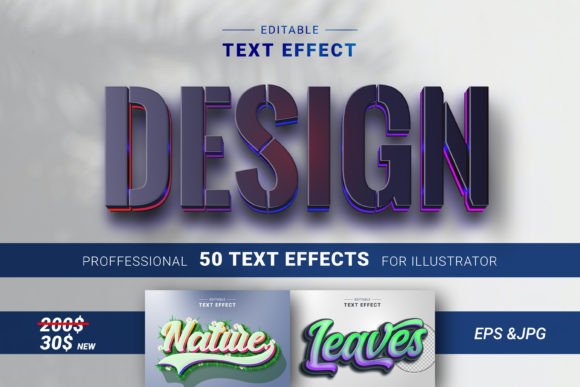
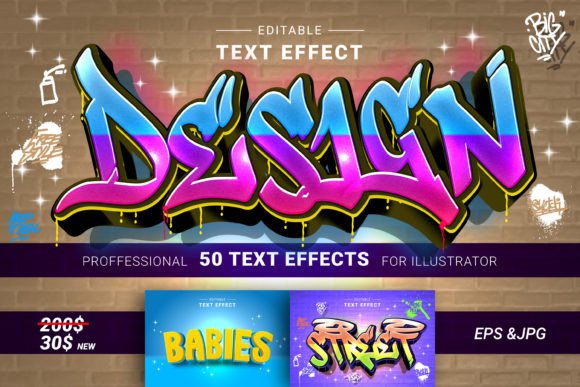
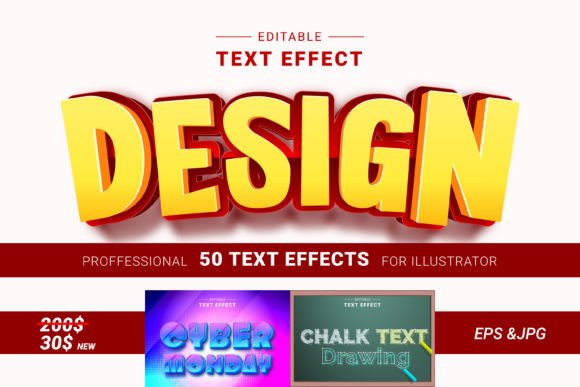
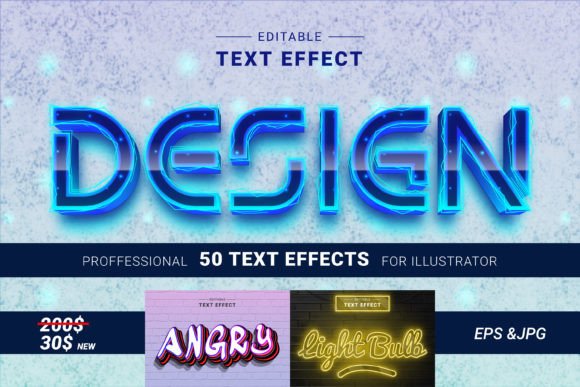
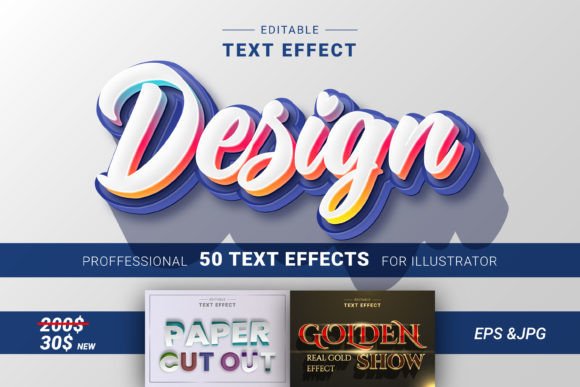
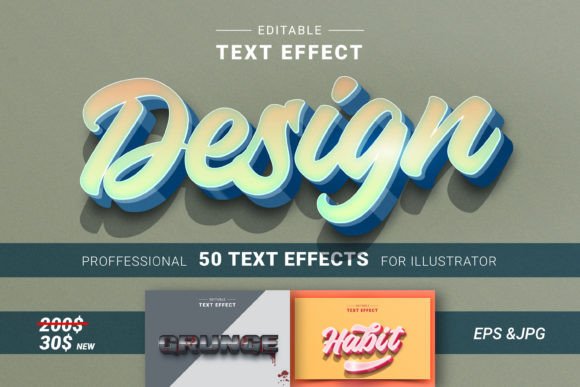
The core advantage of using a toolkit such as the 50 Editable 3D Text Effects Designs N28 lies in its balance between convenience and control. Many stock resources offer static images that cannot be altered, forcing designers to work around fixed elements. In contrast, this collection is exclusively crafted for Adobe Illustrator, ensuring that every curve, shadow, and highlight remains editable. This distinction is crucial for professional workflows where brand consistency is paramount. You are not merely pasting an image; you are integrating a flexible design component that can adapt to specific campaign needs.
Consider the scenario of a social media manager who needs to produce daily content for Instagram, Twitter, and Facebook. Consistency in visual style helps build brand recognition, but creating unique 3D headers for every post is unsustainable. With these editable effects, the user can maintain a cohesive 3D aesthetic while rapidly changing the text to match daily promotions or trending topics. The ability to modify elements effortlessly means that the design system scales with the content calendar, reducing burnout and maintaining high visual standards without demanding hours of manual vector drawing for each piece.
Versatility Across Digital and Print Media
One of the most significant challenges in modern design is ensuring that assets look compelling across different mediums. A design that pops on a backlit smartphone screen may lose its impact when printed on matte paper. The Editable 3D Text Effects Design collection addresses this by providing files in multiple formats, including AI, EPS, and JPG. This versatility allows for seamless transition between digital and print applications.
For digital designers, the RGB color mode offers a vast spectrum of vibrant hues, ideal for websites, app interfaces, and social media graphics. The vivid colors ensure that text stands out against busy backgrounds, capturing attention in the split second a user scrolls through their feed. On the other hand, the inclusion of EPS files ensures that these designs can be scaled infinitely without loss of quality, making them suitable for large-format print promotions such as flyers, posters, and event banners. Whether you are designing a magazine cover that requires sharp, clean lines or a web banner that needs to load quickly and look crisp, having access to both vector and raster formats provides the flexibility needed to meet technical specifications without compromising artistic intent.
Enhancing Creativity Through Rapid Iteration
Creative blocks often stem from the friction of starting from a blank canvas. When a designer spends hours constructing the basic geometry of a 3D letter, they have less mental energy reserved for conceptual refinement. By utilizing a comprehensive set of 50 distinct styles, creators can bypass the technical groundwork and jump straight into the experimentation phase. The "single-click" transformation capability mentioned in the package description is not just a convenience feature; it is a catalyst for creativity.
This rapid iteration process allows designers to mix and match styles until they strike the perfect tone for their project. For instance, a freelancer working on a branding package for a tech startup might test five different 3D effects in the time it would normally take to build one from scratch. This exploration leads to more innovative outcomes, as the designer is free to take risks and combine unexpected elements. The handy help file included in the package further supports this process, ensuring that users never feel lost during their creative journey. This guidance is particularly beneficial for hobbyists or small business owners who may not have formal training in advanced Illustrator techniques but still need to produce professional-grade materials.
Who Benefits Most from This Toolkit?
While any Adobe Illustrator user can benefit from these assets, certain groups will find particular value in this collection. Marketing professionals and entrepreneurs often operate under tight deadlines and limited budgets. For them, the ability to create high-end 3D typography without hiring a specialized illustrator translates directly to cost savings and faster time-to-market. Similarly, educators and publishers can use these effects to make educational materials and book covers more engaging, helping to capture the attention of students and readers alike.
Freelancers and agency designers will appreciate the efficiency gains. By reducing the time spent on repetitive technical tasks, they can allocate more hours to client communication, strategy, and high-level creative direction. This shift in focus can lead to higher client satisfaction and the ability to take on more projects. Even hobbyists looking to elevate their personal projects, such as custom greeting cards or event invitations, can achieve a polished, professional look that was previously out of reach due to technical complexity.
Practical Considerations and Best Practices
While the benefits of using pre-made 3D effects are clear, it is important to approach them with a strategic mindset. These tools are meant to enhance, not replace, fundamental design principles. Users should consider the context in which the text will appear. For example, highly complex 3D effects with heavy shadows might overwhelm a minimalist website design. In such cases, selecting a subtler style from the 50 available options would be more appropriate. The key is to ensure that the typography supports the message rather than distracting from it.
Additionally, understanding the limitations of file formats is essential. While JPGs are useful for quick previews or web-only use, they do not support transparency or infinite scaling. For professional print work or responsive web design, always rely on the AI or EPS files. This ensures that edges remain sharp and colors remain accurate regardless of the output size. Furthermore, because the files are fully editable, users should take the time to customize the colors and lighting to match their specific brand guidelines. Simply using the default settings may result in a generic look; personalization is what transforms a stock asset into a unique brand element.
In conclusion, the Editable 3D Text Effects Design collection represents a powerful resource for anyone looking to elevate their typographic game. By combining technical precision with creative flexibility, it empowers users to produce stunning visual content efficiently. Whether you are sprucing up a website, adding panache to social media posts, or creating enticing print promotions, this toolkit provides the foundation for impactful design. As the demand for visually rich content continues to grow, having access to such versatile and high-quality resources will remain a key differentiator for successful creators and businesses.