Understanding the Old Projector Scanner Icon: A Symbol of Vintage Technology and Modern Design
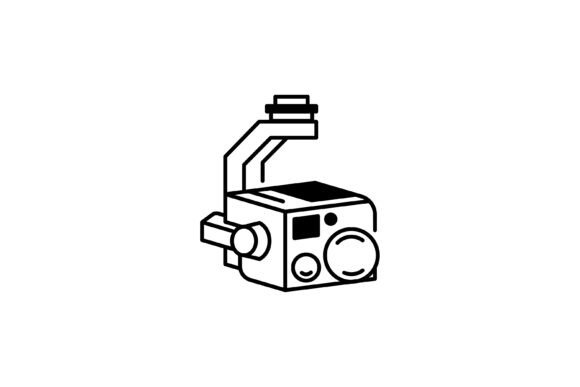
In the vast landscape of digital design, icons serve as the universal language that bridges the gap between complex technology and user intuition. Among the myriad of symbols available to designers, the old projector scanner icon stands out as a unique blend of nostalgia and functionality. This specific graphic element, often depicted with a distinct projector lens on a clean white background, is more than just a simple illustration; it is a versatile tool for conveying concepts related to multimedia, education, cinema, and retro technology.
For creators, developers, and business owners, understanding the utility and aesthetic appeal of this icon is essential. It represents a convergence of the past and present, offering a visual cue that is both recognizable and stylish. Whether you are building a website for a film archive, designing an educational app, or creating branding for a tech startup, this vector asset provides a high-resolution foundation for your creative projects.
The Significance of Vintage Tech Icons in Modern UI/UX
Why do we still rely on images of "old" technology in modern interfaces? The answer lies in semiotics—the study of signs and symbols. An old projector is instantly recognizable. Unlike abstract shapes, it carries immediate cultural weight. It evokes memories of school classrooms, classic cinema halls, and early home movie nights. When used in a digital context, such as a scanner or projection feature, it leverages this familiarity to make new technology feel approachable.
The projector lens icon specifically highlights the mechanism of focus and light. In user experience (UX) design, clarity is paramount. By using a simplified, line-based illustration of a projector lens, designers can communicate actions like "view," "scan," or "present" without cluttering the interface with text. This is particularly effective in global applications where language barriers might exist. The symbol transcends language, relying on visual recognition rather than translation.
Key Features of High-Quality Vector Assets
When selecting graphics for professional use, the technical specifications of the file are just as important as the visual design. The old projector scanner icon described here is crafted with precision to meet the demands of modern web and print standards. Here is why the technical quality matters:
- 100% Vector Format: Unlike raster images (like standard JPGs) which pixelate when enlarged, vector graphics are made of mathematical paths. This means the icon remains crisp and clear at any size, from a tiny favicon to a massive billboard.
- High Resolution (300 DPI): For print materials, a resolution of 300 dots per inch (DPI) is the industry standard. This ensures that if you use the icon in brochures, business cards, or posters, it will look sharp and professional.
- Editable Elements: The file includes editable text, shapes, and colors. This flexibility allows designers to match the icon perfectly with their brand identity. You can change the line weight, adjust the color palette, or modify the lens shape to suit your specific needs.
- Well-Organized Layers: A well-structured file saves time. Designers can easily isolate the lens, the body of the projector, or the light beam, allowing for custom animations or partial usage of the graphic.
Practical Applications Across Industries
The versatility of the projector lens symbol makes it relevant across multiple sectors. Its association with light, vision, and media opens up numerous possibilities for implementation.
Education and E-Learning
In the realm of education, projectors are synonymous with learning. Teachers have used them for decades to display maps, diagrams, and films. Consequently, this icon is perfect for e-learning platforms, online course modules, or educational apps. It can serve as a button to "start lesson," "view slideshow," or "access video resources." The vintage aesthetic adds a touch of warmth and tradition, making digital learning environments feel less sterile and more inviting.
Cinema and Entertainment
For businesses in the film industry, such as streaming services, movie review blogs, or cinema chains, this icon is a natural fit. It evokes the classic experience of movie-going. It can be used to denote sections related to "classic films," "behind the scenes," or "technical specs." The inclusion of elements like film reels or light beams in the design reinforces the connection to the magic of cinema.
Technology and Augmented Reality (AR)
Interestingly, the concept of projection is central to emerging technologies like Augmented Reality (AR) and Virtual Reality (VR). The scanner aspect of the icon can represent data input, environmental scanning, or sensor activation. Tech companies developing AR glasses or projection mapping systems can use this icon to symbolize the hardware involved in capturing and displaying digital information onto the physical world. It bridges the gap between the electronic device and the reality it enhances.
Design Versatility: From Minimalist to Detailed
The beauty of this specific icon lies in its simple element illustration style. It adheres to the principles of minimalist design, which prioritizes function and clarity. However, because it is a vector file, it can be adapted to various design trends.
For a modern, clean look, designers can keep the lines thin and the colors monochromatic, fitting seamlessly into a flat design system. For a more retro or hipster aesthetic, the colors can be adjusted to sepia tones or muted pastels, emphasizing the vintage nature of the projector. The white background ensures that it integrates easily into any layout without requiring complex masking or editing.
Furthermore, the icon’s components—such as the lens, the body, and the light beam—can be deconstructed. A designer might use just the lens element to represent a camera or a focus tool, demonstrating the modularity of good vector design.
File Formats and Accessibility
When you download this asset, you receive a comprehensive package designed for maximum compatibility. Understanding these formats helps you utilize the icon effectively:
- AI (Adobe Illustrator): The native format for editing. Ideal for designers who need to make significant changes to the shape or structure.
- EPS (Encapsulated PostScript): A universal vector format compatible with most design software, including CorelDRAW and Inkscape. Perfect for sharing with printers or other designers who may not use Adobe products.
- SVG (Scalable Vector Graphics): The gold standard for web development. SVGs are code-based, meaning they load quickly, are searchable by engines, and can be animated with CSS or JavaScript. This is crucial for responsive web design.
- JPG (Joint Photographic Experts Group): A high-resolution raster image for quick previews or use in documents where vector editing is not required.
This multi-format approach ensures that whether you are a web developer, a print designer, or a social media manager, you have the right tool for the job.
Conclusion: Elevating Your Visual Communication
The old projector scanner icon is more than just a decorative element; it is a functional piece of visual communication. By combining the nostalgia of vintage technology with the precision of modern vector design, it offers a unique way to represent concepts of viewing, scanning, and presenting. Its high resolution, editability, and semantic richness make it an invaluable asset for anyone looking to enhance their digital or print projects.
Whether you are aiming to evoke the warmth of classic cinema, the clarity of educational tools, or the innovation of AR technology, this icon provides a solid foundation. Its clean lines and adaptable style ensure it remains relevant across various design contexts. By choosing high-quality, well-organized vector assets, you invest in the professionalism and usability of your brand.
Thank you for choosing my store. I wish you a good day. Please contact me if you have any questions regarding this asset or how to best implement it in your projects.